
Italian pastry keeps its own almanac. Amaretti in November, pastiera in April, almond granita in July, panforte in December. None of that is decorative. The repertoire grew out of what ripened nearby and what the Church calendar asked for, so the sweets that taste right in a given month are usually the ones that were cheap and abundant in it. Bake with that rhythm and you waste less, chase fewer random ideas, and always have something worth saying to whoever leans over the counter. What follows is a working calendar rather than a rulebook — shift it a week or two to match your own market.
January and February: Citrus, Almonds, and the Frying Pan
Winter is the quietest stretch for fruit and the busiest for nuts and citrus. Sicilian blood oranges and late lemons are at their sharpest, and the almond work that carries a bakery through the year begins now.
January: the citrus window
If you plan to make cassata, candied peel or a panettone filling later in the year, buy citrus now. Candying orange and citron takes about a week of patient syrup work — simmering the peel in progressively stronger sugar syrup and letting it dry — and the result keeps for months in a cool cupboard. It also costs a fraction of what good candied peel costs in December.
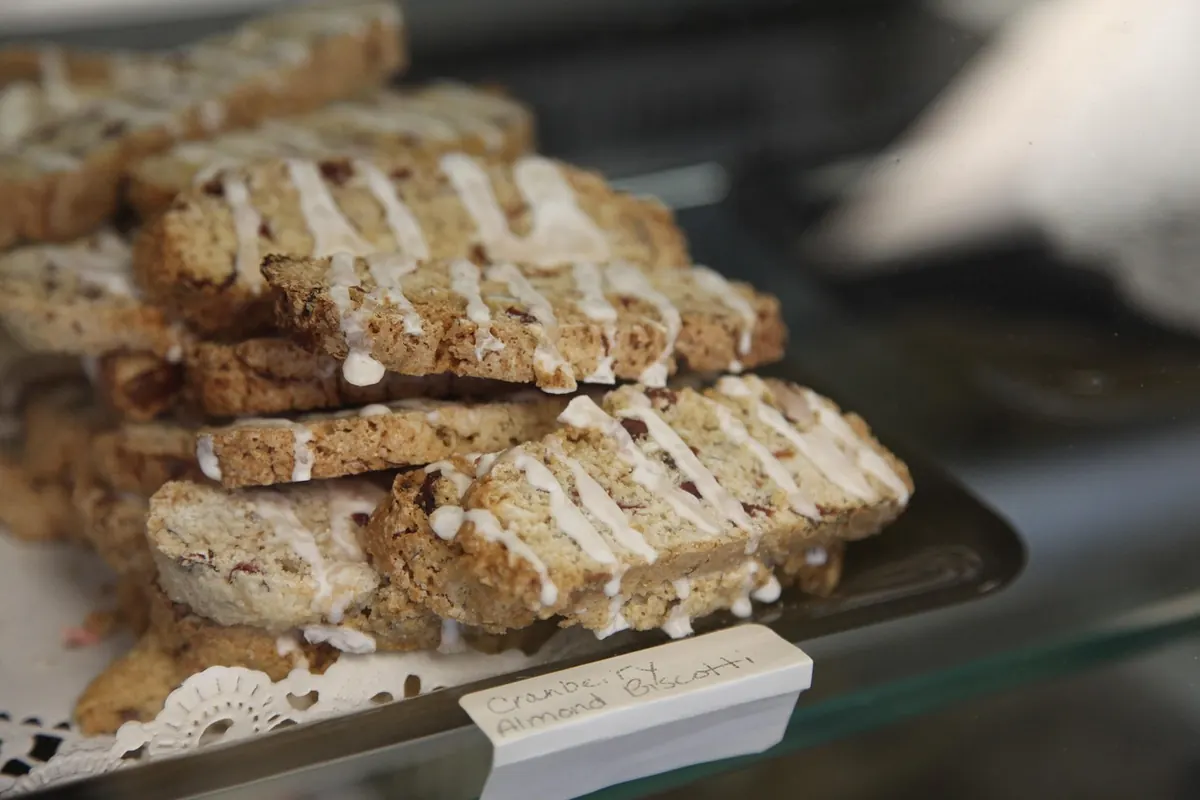
On the counter, keep things simple and nutty: almond and chocolate cakes in the Capri style, brutti ma buoni, amaretti, a blood orange crostata with a light almond cream. Cassata — sponge, sheep's ricotta, marzipan, candied fruit — is traditionally an Easter cake in Sicily, but many bakeries start taking orders in January, and the peel needs the head start anyway.
February: Carnival frying
Carnival is the one season where the fryer earns its place. Chiacchiere go by a dozen names depending on the town — frappe in Rome, cenci in Tuscany, galani in Venice, bugie in Genoa — and they are all thinly rolled dough, cut into ribbons, fried briefly and dusted with icing sugar.
A few things matter more than the recipe. Keep the dough cold and work in small batches; roll it thin enough that you can almost see the marble through it; fry in oil hot enough that a scrap of dough sizzles the moment it goes in. Chiacchiere soften within a day, so fry to the day's demand and store the rest in a sealed tin. Castagnole, the small fried dough balls, keep slightly better. In Tuscany, look for frittelle di riso; in Sicily, pignolata.
March and April: Zeppole, Colomba, and the Easter Table
March 19 is San Giuseppe, and in the south that means zeppole: rings of choux piped, fried or baked, crowned with pastry cream and an amarena cherry. The baked version is easier to sell by the tray and holds up far better in a display case. Pipe them the same day you bake them; the choux slackens overnight.
Then Easter arrives, and with it the most demanding cake in the Italian repertoire after panettone.
Pastiera, done properly
Pastiera napoletana is a ricotta and wheat berry tart scented with orange blossom water. The wheat — grano cotto — is sold cooked in jars and saves you hours. The rest is method and patience.
- Warm the cooked wheat with a little milk and butter until it is creamy but not wet, then let it cool completely.
- Drain the ricotta well — overnight in a sieve, in the fridge — then beat it smooth with sugar and egg yolks.
- Flavour with orange blossom water, a little cinnamon and chopped candied citron or orange. Add the wheat, then fold in stiff egg whites last.
- Pour into a pasta frolla shell, lattice the top, and rest the tart at least a few hours before baking. Overnight is better.
- Bake gently, then leave it in the switched-off oven with the door cracked to cool slowly. That slow cool is what stops the surface cracking.
Pastiera improves for two or three days, which makes it a rare case of a bake you should do ahead. Colomba is the other Easter anchor — an ambitious project if you keep a lievito madre, otherwise worth buying well or simplifying into an almond-topped Easter cake. Easier wins for spring: torta di riso, migliaccio, ciambelline al vino.
May and June: Cherries, Elderflower, and Lighter Bakes
As the temperature climbs, cream and chocolate step back and fruit steps forward. Sour cherries in late May and June are the high point: a crostata di visciole, cherry and almond tart, or the Roman sour cherry tart that turns up in the old Jewish bakeries around the ghetto.
Strawberries mean maritozzi con la panna — sweet buns split and filled generously with lightly whipped cream, best assembled in front of the customer. Elderflowers appear along hedgerows and roadsides; a syrup made from the flower heads gives you fritters, a granita base and a cordial to see you through summer. Apricots arrive in June, and with them the first proper fruit tarts of the year. Switch your pastry cream to a lighter hand, use olive oil cakes instead of butter-heavy ones, and start thinking about what your display case will look like at 30°C.
July and August: Granita, Semifreddo, and Baking Before Dawn
Nobody wants an oven in August, including you. Get the baking done early, then let the cold desserts do the work. Sicilian granita is the reference point — almond, coffee, lemon, jasmine, mulberry — and it demands little more than good raw material, sugar syrup and regular scraping as it freezes.
Semifreddo and cassata gelata carry the Italian flag through the heat, as do peach-focused bakes such as Piedmont's pesche ripiene, halved peaches filled with amaretti and cocoa. Ferragosto in mid-August brings a surge of orders for anything cold and fruit-based. Practical notes for the month: chill your bowls and beaters, keep pastry cream moving through an ice bath, never leave a cream-filled tart in direct sun at a market stall, and consider a granita machine as your second oven.
September and October: Figs, Grapes, and the Nut Harvest
This is the best month of the year to be a baker. Figs arrive soft and cheap, and a fig and walnut tart or a simple crostata with ricotta barely needs a recipe. The grape harvest brings schiacciata con l'uva, the Tuscan flatbread made with small wine grapes, olive oil, rosemary and a scatter of sugar — stretched, dimpled, topped and baked hot.
Grape must and saba, the cooked-down must, go into the pantry now: they will sweeten cartellate in December. Apples take over from stone fruit — torta di mele, strudel in the northern style, apple and cinnamon focaccia. Hazelnuts and walnuts start coming in, which means brutti ma buoni and baci-style biscuits. Chestnut flour appears late in October; buy it small and keep it cold, because it turns rancid quickly.
November and December: Chestnuts, Panforte, and Slow Leavening
November has its own quiet traditions. On All Souls' Day, bakers across the north make fave dei morti and pan dei morti — almond cookies and a dark fruit-and-crumb cake. Chestnut flour gets used for castagnaccio, a thin, rustic flatbread with olive oil, rosemary, pine nuts and raisins that divides opinion and rewards a light hand. San Martino on 11 November is an excuse for chestnuts and new wine.
Then December, the month that separates the confident from the reckless. Panforte di Siena should be made two to three weeks ahead; it improves as it matures, and it is forgiving for anyone without a sourdough starter. Panpepato from Ferrara, torrone, struffoli in Naples — fried dough balls bound in honey — and cartellate in Puglia, the fried dough roses dipped in vincotto.
Panettone and pandoro are a different order of commitment: a stiff sweet starter refreshed for days, long proofs and careful hanging. If your lievito madre is strong, start the refresh routine in early November. If it isn't, put your energy into panforte, torrone and a good biscuit tin instead. Nobody notices the absence of a mediocre panettone; everybody notices a good one.
Putting the Calendar to Work
Choose three or four anchors per season and make them properly rather than attempting twelve. Write the year onto one page, note which items are made ahead and which are day-of, and mark the weeks when your fridge is already full. Keep a small permanent repertoire — crostata, cantuccini, a flourless chocolate and almond cake — so a quiet Tuesday has something to sell.
- January–February: candied citrus, cassata, chiacchiere, castagnole.
- March–April: zeppole di San Giuseppe, pastiera, colomba, migliaccio.
- May–June: crostata di visciole, maritozzi, elderflower fritters, apricot tarts.
- July–August: granita, semifreddo, cassata gelata, peach bakes.
- September–October: schiacciata con l'uva, fig tarts, torta di mele, hazelnut biscuits.
- November–December: castagnaccio, panforte, torrone, struffoli, panettone.
Finally, taste in season before you commit. A cherry
Photo: jlarbig / Pixabay
Related posts
More stories you’ll love reading