
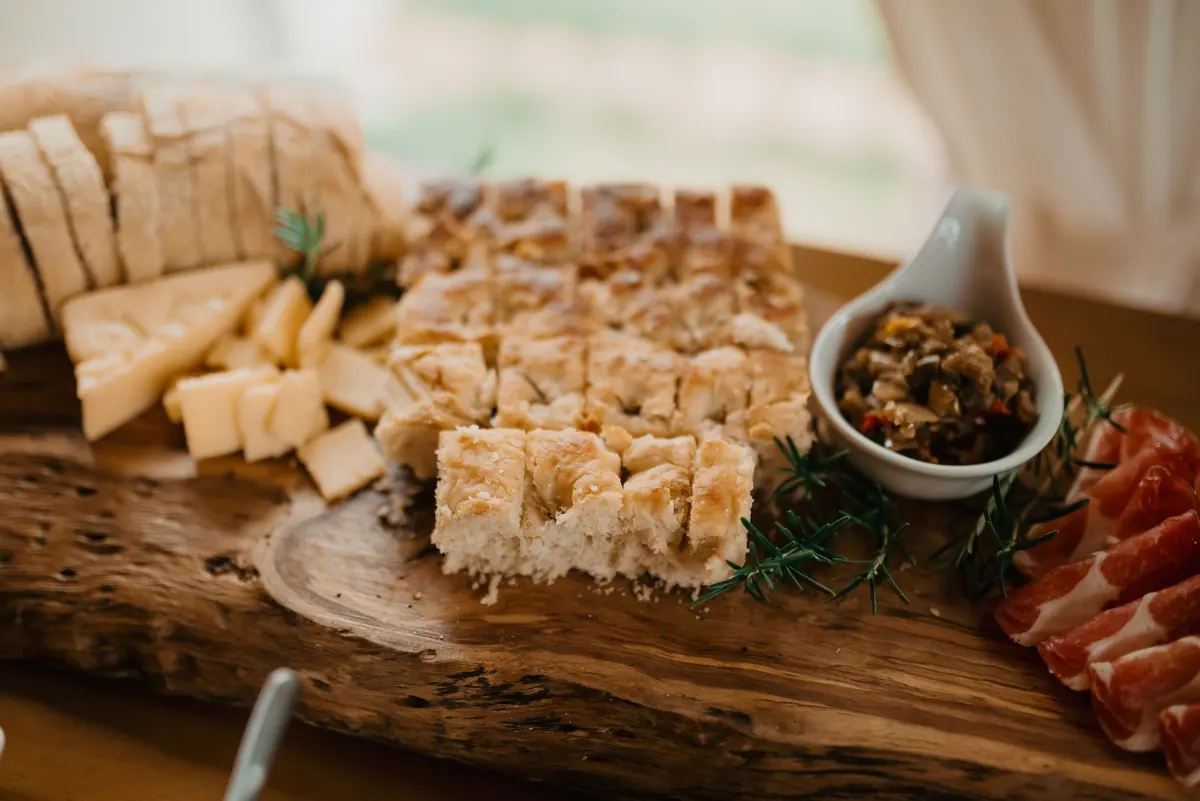
Focaccia looks like a weekend project. It isn't. The version we bake most often asks for about fifteen minutes of real work on the night you mix it, then nothing but refrigerator space until the next evening. You come home, oil a pan, press the dough out with your fingers, and half an hour later there's bread with a crackling, olive-oil-fried base and a crumb soft enough to tear with one hand. No mixer, no kneading, no shaping skills required.
What Makes This Recipe Work on a Weeknight
Most breads want your attention at an inconvenient hour. This one takes it in two short instalments. Mix at nine in the evening, fold the dough four times over the next ninety minutes while you're doing something else in the kitchen, then put the bowl in the fridge and forget about it. Walk in the next day at six, and it's out of the oven by eight thirty.
The cold ferment does the real work. Twelve to twenty-four hours in the refrigerator develops a sweetness and depth that a two-hour rise can't manage, and it gives the flour time to hydrate fully, which builds gluten without anyone kneading anything. The stretch-and-folds aren't there to create strength from nothing; they organise the dough so it can hold on to the gas the yeast produces overnight.
There's also a wide margin for error. Left it in the fridge for thirty hours? Fine. Got home late and only have ninety minutes for the second rise? Also fine, particularly if you park the pan somewhere warm.
The Ingredients, and Why the Amounts Matter
This makes one 23 x 33 cm (9 x 13 inch) pan — enough for four to six people as a side, or about a dozen sandwich squares. A digital scale is worth the small expense here. Focaccia forgives time; it is much less forgiving about wet dough measured in cups.
- 500 g strong white bread flour (about 4 cups), ideally 12–13% protein
- 400 g cool water (about 1⅔ cups) — roughly 80% hydration
- 10 g fine sea salt (about 1¾ teaspoons)
- 3 g instant yeast (about 1 teaspoon)
- 30 g olive oil (about 2½ tablespoons), plus 40–50 g for the pan
- 2–3 rosemary sprigs, leaves stripped and roughly chopped
- Flaky salt and a little more olive oil, for the top
Bread flour matters because the dough is wet and needs a flour that can carry it. Plain flour will work in a pinch, but the crumb is flatter and the dough slacker. The salt level is deliberate: at roughly 2% of the flour weight it tastes seasoned rather than salty, and it tightens the gluten enough to keep the focaccia from spreading into a pancake. The yeast quantity is low on purpose. Three grams in a cold, slow ferment is plenty, and it means you can leave the bowl an extra night without the dough turning sour or collapsing.
The Night Before: Mix, Fold, Chill
Stir the yeast into the water in a large bowl and leave it for a minute. Add the flour, then the salt, then the olive oil, and mix with a stiff spatula or a wet hand until no dry flour remains. It will look shaggy and rough. Cover the bowl and leave it on the counter for fifteen minutes — this short rest makes the next step much easier.
Now the folds. This is the only technique in the recipe, and it takes about twenty seconds per set.
- Wet your hand under the tap and shake off the excess.
- Slide your hand down one side of the dough, between it and the bowl, and lift that edge up and over the centre.
- Turn the bowl a quarter turn and repeat. Work your way around all four sides.
- Cover and rest for thirty minutes. Repeat the whole process three more times, so you've done four sets in total.
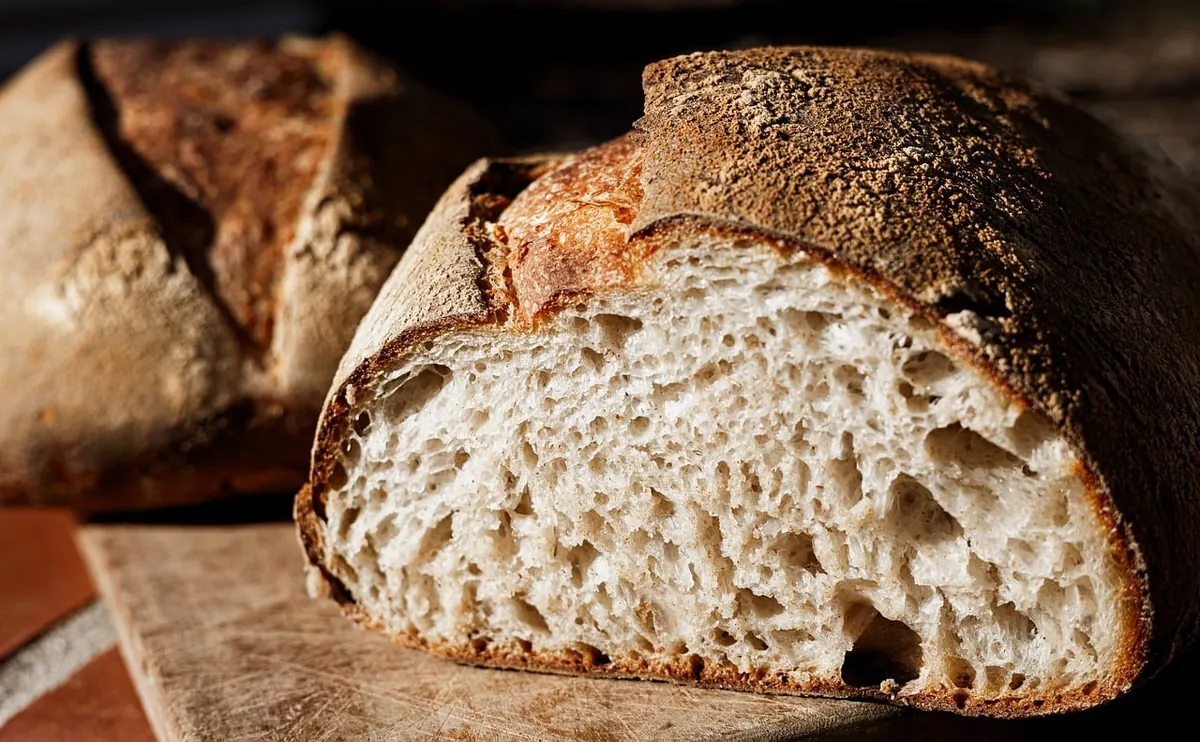
By the last set the dough will feel noticeably tighter and smoother, and you'll see bubbles forming at the edges. Cover the bowl and put it in the refrigerator for at least twelve and up to thirty-six hours. It should roughly double, though cold dough rises slowly and a modest increase is normal.
The Next Evening: Pan, Dimple, Rest
Pour 40–50 g of olive oil into the pan and spread it across the base and a little way up the sides. Don't be shy: this oil is what fries the bottom crust. Pull the bowl out of the fridge, loosen the dough around the edge with a wet spatula, and turn it into the pan. It will be cold and slack. Stretch it gently towards the corners with oiled fingertips; if it springs back, leave it for ten minutes and try again.
Cover the pan with a clean tea towel or an inverted tray and leave it at room temperature for about two hours, until the dough is puffy, jiggly when you shake the pan, and pushing up towards the rim. Cold dough straight from the fridge can take an extra half hour, so judge by look and feel rather than the clock.
If you're walking in the door late
Skip the fridge-to-pan transfer and put the dough in the oiled pan while it's still cold, then let it prove in the warmest spot in the kitchen. Some bakers find the colder dough easier to stretch and the finished crumb slightly more open. The trade-off is a longer wait, not a worse loaf.
Dimpling, Topping and Baking
Heat the oven to 240°C (465°F), or 220°C fan, with a rack in the lower middle, and give it at least thirty minutes. If you have a baking stone or an empty tray, preheat it on the shelf below — it gives the base a head start on crisping.
Oil your fingers and press them straight down into the dough, all the way to the pan, spacing the dimples a couple of centimetres apart. You want deep, decisive holes, not a gentle pat. Scatter the rosemary, pushing a few leaves into the dimples, drizzle with two or three tablespoons of olive oil, and finish with a pinch of flaky salt. Let the pan sit for ten minutes while the oven finishes heating.
Bake for 20 to 25 minutes, until the top is deep gold, the edges have pulled slightly away from the pan, and the surface sounds hollow if you tap it. Lift a corner with a spatula to check the base; if it's still pale, set the pan on the hob over a low flame for a minute or two, or move it to the lowest rack for another five minutes.
Topping variations worth trying
- Olives: a handful of pitted Castelvetrano or Kalamata, patted dry and pushed into the dimples.
- Cherry tomatoes: halved, pressed cut-side up, and given a second pinch of salt.
- Thinly sliced red onion: scattered raw; it softens and sweetens in the oven.
- Lemon zest and rosemary: grated over the oil just before baking, for a brighter edge.
When Something Goes Wrong
- It barely rose in the fridge. Normal in a cold kitchen. Give the second rise more time and a warmer spot.
- The dough sprawls instead of holding its shape. Usually over-proving. Get it into the oven; you'll have a thinner focaccia rather than a failed one.
- The top is pale and the crumb bready. Underbaked. Focaccia should look darker than you expect — bake the next one five minutes longer.
- It stuck to the pan. Not enough oil underneath, or the pan wasn't pre-oiled across the full base.
- Too salty. The flaky salt on top is the variable, not the salt in the dough. Use a lighter hand next time.
Serving, Storing and Getting Ahead
Focaccia is at its best within an hour of leaving the oven, when the base is still crisp. Let it cool in the pan for five minutes, then move it to a rack — leaving it in the pan traps steam and softens the bottom. Cut it into squares and serve with soup, a bowl of beans, or nothing but good olive oil.
Leftovers keep for two days in paper at room temperature; a plastic bag will make the crust chewy. To bring it back, sprinkle with a little water and warm it at 180°C for five minutes. Slices freeze well and defrost in a toaster.
Once the rhythm is familiar, double the dough and bake two pans on Sunday, or mix a batch on a Monday morning before work and bake it that evening. Keep the ratio in your head — 500 flour, 400 water, 10 salt, 3 yeast, a good glug of oil — and the recipe stops needing to be read at all.
Photo: Jonathan Borba / Pexels
Related posts
More stories you’ll love reading